
This summer our (my two youngest and I) journey to understanding collective suffering began with: oppression is not confined to one people or one moment in history. It is a pattern—repeated, documented, and carried across generations.
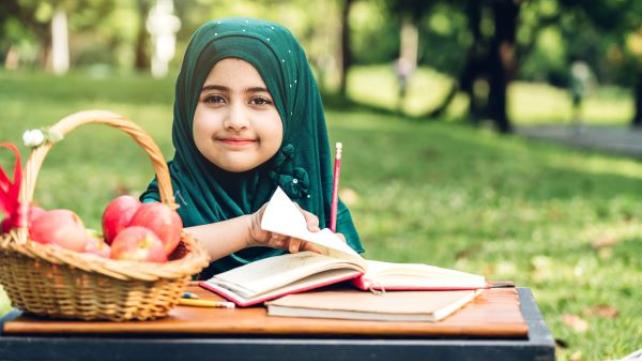
Entering kindergarten is a significant milestone in a child’s life. It marks the beginning of structured learning, regular interaction with peers, and the development of greater independence.
For most of my life, I was taught—explicitly and implicitly—that putting others first was a virtue. That sacrificing my own needs for the sake of others was not only noble, but necessary. I believed it for a long time.
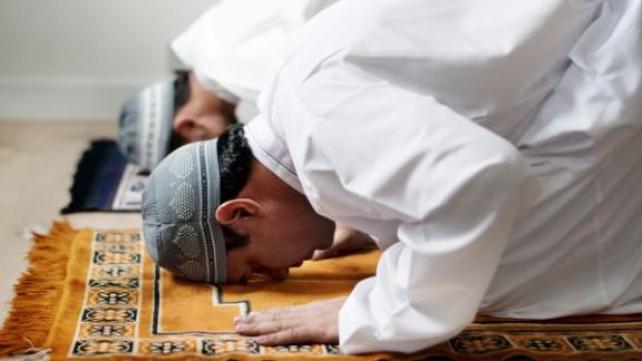
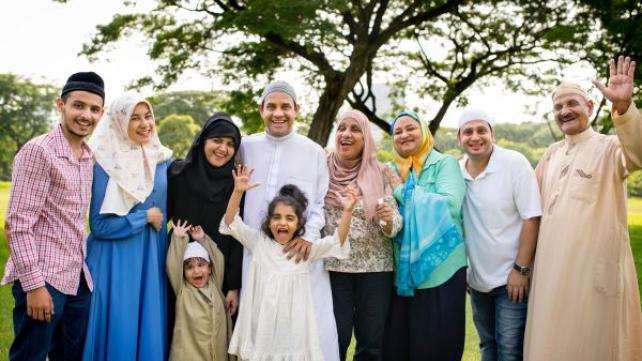
Genocide—the deliberate targeting of people based on their identity—is one of the gravest injustices of our time. For Muslim families, responding to such atrocities is not only a matter of humanitarian concern but also a profound spiritual duty.
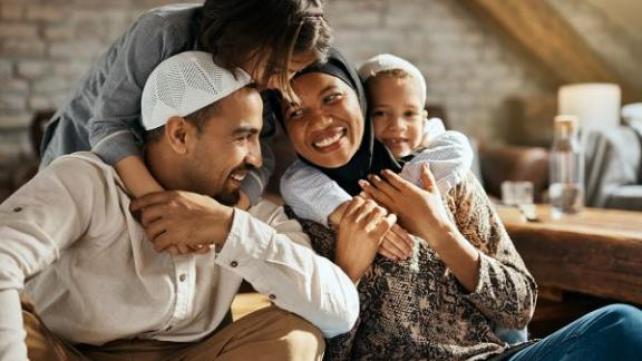
“And We have enjoined upon man [care] for his parents. His mother carried him, [increasing her] in weakness upon weakness, and his weaning is in two years. Be grateful to Me and to your parents; to Me is the [final] destination.”
( Surah Luqman:14)
In an era where scrolling has replaced strolling and screen time often overshadows face time, many parents are searching for ways to reconnect their children with the real world—one filled with sunshine, fresh air, and meaningful community bonds.