
SUMMARY: A list of foods to eat and avoid during suhoor to maintain energy and health during the fast.
Upon reaching the halfway mark of this year’s Ramadan, I noticed that I have been feeling tired more than usual during the day. This interferes with my school and work life, making this month unusually difficult. One big problem with how I am approaching this Ramadan is my choice of food for suhoor. I often just drink water or eat a small snack, but never thought much about which foods would help me navigate my fast better. This article will list the best and worst foods to help you stay energized and healthy during Ramadan.
What to Eat:
- Watermelon: Watermelon is an excellent fruit option for suhoor. It is 92% water, providing a hydrating snack. Unfortunately, since this Ramadan fell during a time when watermelons are not in season, it has not been a viable option for me.
- Oatmeal: Oatmeal is one of the healthiest options for suhoor. It has numerous health benefits, such as lowering LDL cholesterol, which is good for your heart health. Additionally, its high fiber content will help you feel full during your fast.
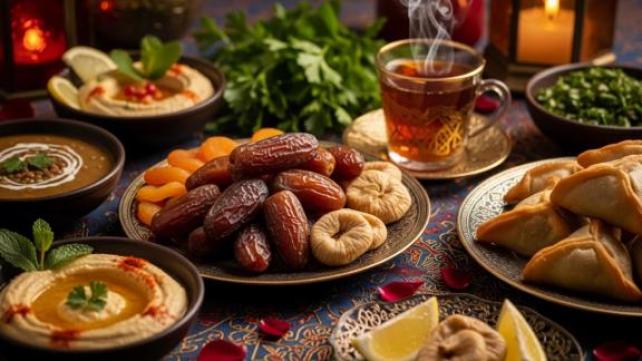
- Dates: Dates are the classic Ramadan fruit, eaten during suhoor and iftar. They provide antioxidants to reduce the risk of chronic diseases and inflammation, high potassium, high fiber to prevent constipation, and more.
- Bananas: Bananas are very good for your digestive system. It is common to eat a big dinner during Ramadan, and a banana has fiber to help bowel movements, helping you avoid constipation. It is also an energy-boosting fruit, so it will give you plenty of energy during the day.
- Eggs: My personal favorite. I love hard-boiled eggs specifically. They are quick and easy to prepare, and provide health benefits such as choline, a nutrient for brain health, protein, and immune health through Vitamin A.
What to Avoid:
- Fast food: Fast food contains high levels of sodium, which increase thirst during the day. It is also difficult to digest, which can lead to indigestion and discomfort. Unlike the foods listed above, fast food does not keep you full during the day, which will make hunger during fasting worse.
- Processed meats: Processed meats include foods such as bacon, hot dogs, sausage, and jerky. Processed meats are unhealthy in general, as they are classified as carcinogens, meaning that they can cause cancer. Consuming too much of these leads to high blood pressure, which can cause heart problems. Processed meats are also high in sodium, which causes severe thirst, making fasting increasingly difficult.
- Caffeinated drinks: Caffeinated drinks such as coffee and energy drinks are diuretics, meaning that they will cause you to urinate more, which leads to dehydration. This can also lead to headaches during your fast.
- Instant noodles: Instant noodles are high in sodium, which causes thirst. They are also not a good source of fiber, which will make you feel hungry during the day.
- Pastries: Pastries should be avoided because of their high sugar and unhealthy fats, which will lead to thirst and increased hunger. Pastries, along with other high-fat foods, can cause bloating and indigestion, as well.
Additional Tips:
Of course, there are plenty of other foods that were not listed but still provide a good and healthy meal for suhoor. It is best to eat fruits and veggies, along with nutritious snacks such as nuts for suhoor, as they provide your body with benefits to keep you satiated during the day. Furthermore, staying hydrated is crucial. People who have fasted a lot know that thirst is usually the biggest struggle during Ramadan. Drinking a good amount of water and avoiding high-sodium foods will help you stay hydrated and comfortable.
Suhoor is an important part of Ramadan. Fasting without eating anything for suhoor is hard and can cause low energy and dehydration during the day. Eating healthy foods, such as fruits, will keep you energized and ready for your fast.


Comments
Sehri food
Plain Yogurt with Molasses, or Honey or Brown Sugar with roti or paratha is what I eat for Sehri & does not give acidity
Location
Add new comment