
As Halloween decorations fill the streets with pumpkins and ghosts, Muslim kids might feel left out of the celebrations. Their friends might be planning to go trick-or-treating or attend a costume party, and Muslim kids are stuck wondering why their family chooses not to celebrate.
The Mawlid Al-Nabi marks the birthday of the Prophet Muhammad, peace be upon him, and is an annual holiday celebrated by Muslims around the world. This holiday, however, is controversial and scholars argue on the permissibility of it.
Since the United States of America was founded in 1776, there have been numerous movements to right the wrongs in the country. Over two hundred years later, in 2025, there are many injustices that still need correcting. Some would argue that at this time, the country is more split than ever.
With the new school year coming up in a few short weeks, the things to take care of can feel overwhelming and hard to keep track of, for both children and parents. It may seem like a never-ending cycle of applying for classes, looking for new school supplies, and making sure everything is ready.
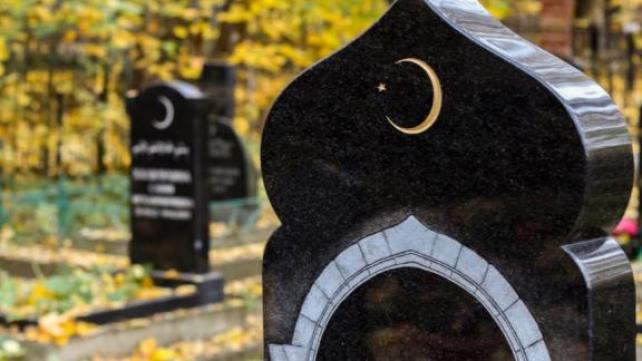
My grandparents live in different states from where I do, so I only see them a few times a year. Because of this, it feels hard to stay in touch and have a good relationship with them. I feel guilty sometimes, as I am sure I will regret not spending more time with them after they pass away.
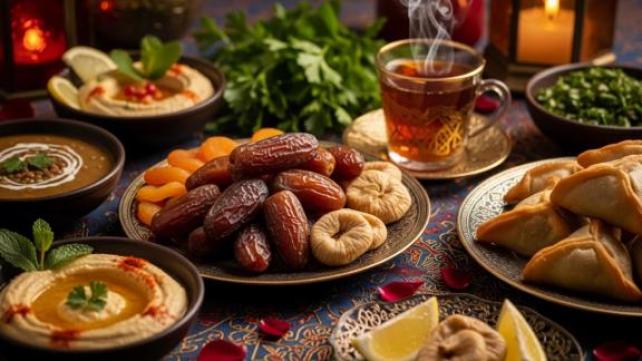
Fasting is one of the five pillars of Islam, meaning that it is crucial to practicing the religion to its fullest. Every year, Muslims observe the month of Ramadan, a mandatory fast from sunrise to sunset for thirty days. Outside of Ramadan, Muslims are still urged to fast on a few special days.
Calendars are a crucial foundation of society. They help us keep track of historical knowledge and planning things for the future. Throughout the history of the world, humans have created many calendars such as the Julian and the Gregorian Calendar.