
SUMMARY: The sacred day of Ashura is a major event in the Islamic calendar, and has surprisingly carried over into the southern Americas. Learn how Ashura left an impact so far from Arabia and teach your family about this event and its significance.
The Day of Ashura falls on the 10th of Muharram, the first month of the Islamic calendar. This year, Ashura is expected to occur around June 25-26, 2026, depending on where you are in the world. While it is not one of the two major Islamic celebrations, Ashura remains one of the most significant days in the Muslim calendar. For centuries, Muslims around the world have marked this day through fasting, prayer, reflection, and remembrance. For parents, educators, and caregivers, Ashura offers a wonderful opportunity to teach children about Islamic history and explore the many ways Muslim traditions have shaped cultures around the world. One fascinating example can be found thousands of miles from the Arabian Peninsula, in the Caribbean and parts of South America. There, a colorful annual celebration known as Hosay traces its roots to Ashura and the legacy of Imam Hussain, the beloved grandson of the Prophet Muhammad, may Allah send peace and blessings upon him.
Many children are surprised to learn that Islamic traditions have left their mark in places as diverse as Trinidad, Guyana, Suriname, and Jamaica. Exploring these connections can help young Muslims see that their faith is part of a rich global story that spans continents and centuries. To understand how Ashura became connected to the Caribbean, it helps to follow the remarkable journey of this day through history.
Ashura Through Time
The Story of Prophet Musa
Long before the birth of Prophet Muhammad, peace and blessings be upon him, Allah saved Prophet Musa and the Children of Israel from the evil, tyrannical Pharaoh. According to authentic narrations, this deliverance occurred on the day later known as Ashura. When the sea parted and the Israelites escaped oppression, it became a day of gratitude and remembrance.
Abdullah ibn Abbas reported that the Prophet Muhammad, may Allah send peace and blessings upon him, found the Jewish people in Medina fasting on the Day of Ashura:
"He said, 'What is this day you are fasting?'
"They said, 'This is a great day in which Allah saved Moses and his people, and he drowned Pharaoh and his people. Moses fasted on it in gratitude, so we also fast on it.'
"The Prophet, may Allah send peace and blessings upon him, said, 'We are worthier and closer to Moses than you.' The Prophet, may Allah send peace and blessings upon him, fasted the Day of Ashura and he ordered fasting on it." (Sahih Bukhari 2004, Sahih Muslim 1130)
According to this hadith, Muslims are encouraged to fast on that day as an act of gratitude to Allah. For this reason, many Muslims continue to observe a voluntary fast on the ninth and tenth days of Muharram, or the tenth and eleventh.
The Tragedy of Karbala
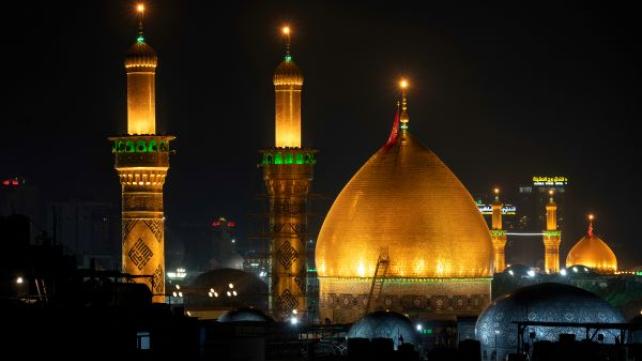
Several decades after the death of the Prophet Muhammad, peace and blessings be upon him, another event came to be associated with Ashura. In the year 680 CE, Imam Hussain ibn Ali, his grandson, was killed in the Battle of Karbala. His death marked a profound moment in Islamic history and is remembered by Muslims around the world. For Shia Muslims in particular, Ashura became a day of mourning and reflection on sacrifice, justice, and standing against oppression.
Ashura in the New World
More than a thousand years later, Ashura would make another historic journey. During the nineteenth century, thousands of indentured laborers from India were brought by European colonial powers to work in the Caribbean and South America after the abolition of slavery. Among them were Muslims who brought their religious traditions, languages, and customs across the ocean.
These communities continued to commemorate Muharram and honor the memory of Imam Hussain. Over time, local customs blended with Indian traditions, and the observance became known as Hosay, a name derived from “Hussain.” Colorful processions, music, handcrafted structures resembling mosques called tadjahs, and community gatherings became part of the annual event. Today, Hosay remains one of the most visible examples of Islamic cultural heritage in the Caribbean. Although the celebration has evolved over generations and often includes participants from many religious backgrounds, its roots can still be traced back to Ashura and the story of Karbala.
Hosay reminds us that Islamic traditions have traveled far beyond the lands where they first began, leaving their mark on cultures and communities around the world. For parents and educators, this unique connection offers an excellent opportunity to bring history to life and help children appreciate the global legacy of Islam.
Activities for Families
Surprised by Ashura's connection to the Caribbean? Your children may be, too. Here are some fun ways to explore this fascinating piece of Islamic history together.
1. Follow the Journey of Ashura on a Map
Pull out a globe or open an online map and trace the journey of Ashura through history. Begin in ancient Egypt with the story of Prophet Musa, peace be upon him. Then move to Medina, where the Prophet Muhammad, may Allah send peace and blessings be upon him, encouraged fasting on Ashura. Next, locate Karbala in present-day Iraq and discuss its significance in Islamic history. Finally, travel across the ocean to Trinidad, Guyana, Suriname, and other parts of the Caribbean where Hosay is celebrated today. This activity helps children visualize how Islamic traditions have traveled across continents and generations.
2. Create an Ashura Timeline
Using paper, poster board, or a digital presentation, invite children to create a timeline showing the major events associated with Ashura. Include the deliverance of Prophet Musa and the Children of Israel, the observance of fasting on Ashura by Prophet Muhammad, peace and blessings be upon him, the events of Karbala, and the arrival of Indian Muslims in the Caribbean and South America during the nineteenth century. Older children can research additional details and illustrations for each event.
3. Learn About Muslims of the Caribbean and South America
Many children are surprised to learn that Muslims have lived in the Caribbean for generations. Explore the history of Muslim communities in Trinidad and Tobago, Guyana, Suriname, Jamaica, and other countries. Discuss how migration shaped these communities and how Muslims preserved elements of their faith while adapting to new environments. You can also invite children to interview parents, grandparents, or other relatives about family traditions, migration stories, and cultural customs. Discuss how families preserve their beliefs and values when moving to new places. This can help children connect the story of Hosay to their own family history and appreciate the many ways traditions are passed down from one generation to the next.
4. Talk About Courage and Standing for What Is Right
One of the enduring lessons associated with Ashura is the importance of standing for truth and justice. Depending on their age, discuss examples from the lives of Prophet Musa and Prophet Muhammad, may Allah send peace and blessings upon them, and Imam Hussain that demonstrate courage, faith, and perseverance. Ask children to share times when they stood up for someone, spoke the truth, or helped a person who was being treated unfairly.
5. Observe Ashura Together
Finally, help children connect historical lessons to worship. Explain the virtues of fasting on Ashura and, if appropriate for their age, encourage them to participate in simple ways. Younger children might help prepare a special pre-dawn meal, decorate a family calendar for Muharram, keep a gratitude journal inspired by the story of Prophet Musa, or join the family in making dua. Remind them that learning about Islamic history is not only about understanding the past, but also about strengthening our connection to Allah in the present.
Teaching Children Through History
Learning about Hosay reminds us that Islam is not confined to one region or one people. Muslims have been present throughout the Americas for centuries, holding on to their faith, traditions, and values wherever they settled. Traditions associated with Ashura, including Hosay, demonstrate how Muslim communities remained resilient even when their religion was systematically suppressed by colonial powers. By exploring the journey of Ashura from ancient Egypt to Medina, from Karbala to the Caribbean, families can gain a deeper appreciation for the global history of Islam and the many ways Muslims have contributed to the cultural fabric of the world around them.
Related:
Modern Day Lessons from Ashura: Finding Light in Hard Times
Situating Columbus in the Islamic World: A Forgotten Voyage of Conquest







Add new comment