
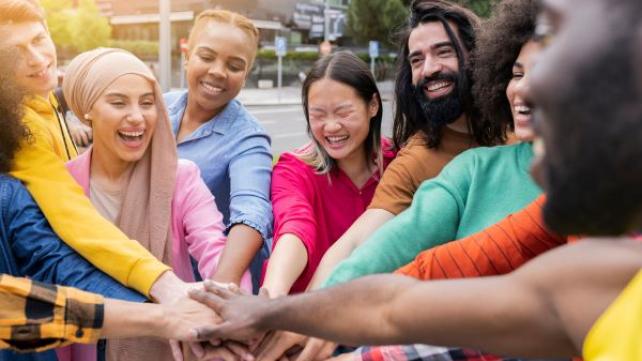
SUMMARY: A strong, respectful, and friendly relationship with our neighbors is key to building communities. Here are some tips to get to know your neighbors.
Communities look and function differently depending on what part of the world you are from. Growing up in a small coastal town in Puerto Rico meant that almost everyone knew each other. Our neighbors were an extension of our family, and knowing everything about them was simply a part of everyday life. Some of those who lived nearby even participated in milestones like baby showers, birthdays, and graduations. The sweet couple next door were my goparents, and the widow on the other side was my brother’s teacher. Across the street lived an eccentric retiree, and next to his densely vegetated home were the parents of my brother’s classmate, who would occasionally come over to play with us. Everyone knew one another's occupations, families, likes, and dislikes. If a stranger wandered onto our street, we made sure they were not lost by offering directions, so they knew where they were going. It felt as though we functioned as a single community rather than as independent households, as is often the case today in the United States.
Moving to the United States was a culture shock indeed. Not only did we not know the language, but we did not know our neighbors either. The first town we moved to was in the middle of Arizona, with no other Spanish speakers in sight. Everyone seemed distant and uninviting, and we had never felt so alone. All our extended family was back home, and we quickly learned that in this new society, neighbors rarely visited one another. There was no friendly face next door to watch the kids for half an hour while my mother made a quick grocery run, no cousins living down the street who would come over just to watch TV, and no one to help in an emergency. Our family was pretty much on its own. Unfortunately, this is the reality for many of us who leave behind our home countries in search of opportunities elsewhere. Whether you are from Puerto Rico, Palestine, or Pakistan, the feeling of nostalgia for what you leave behind when you migrate is much the same.
However, we would later learn that it did not have to be that way. My father's job had us moving from one state to another every two to three years, so I had plenty of neighbors, and eventually we got to know a few. For instance, there was an Ecuadorian woman across the street who came over to introduce herself when we first moved into our neighborhood in Texas. She admitted that she felt comfortable approaching us because she knew we shared the same language. Another neighbor discovered that her husband worked at the same place as my father, so she stopped by with some baked goods to say hello. Those first interactions grew into friendships that helped my mother feel more at home, even in a new place. They also helped my brother and me make friends with some of the neighborhood kids. But getting to know our neighbors took courage, time, and effort from both sides.
It may be that the neighbors we perceive as standoffish are simply waiting for us to make the first move. Relationships with neighbors are reciprocal. When we treat our neighbors with courtesy, they are often inclined to respond in kind. Abdullah ibn Masoud reported that the Prophet Muhammad, may Allah send peace and blessings upon him, said:
“If you hear your neighbors saying you have been good, then you have been good. If you hear them saying you have been evil, then you have been evil.” (Sunan Ibn Majah 4223).
Sometimes taking the first step can be the most difficult, so I have provided some ideas to help your family build good relationships with your neighbors, InshaAllah.
1. Simply introduce yourself
Take a few minutes to say hello and introduce yourself. Go for a daily walk and warmly greet the neighbors you meet along the way. Let them know that you are open to communication and strive to be approachable and friendly.
2. Surprise your neighbor with a gift
Few things are as effective at building relationships as giving a thoughtful gift. The Prophet, may Allah sen peace and blessings upon him, said:
“Give each other gifts and you will love each other.” (Al-Adab al-Mufrad lil-Bukhari 594)
3. Let them get to know your culture:
While some people expect immigrants or religious minorities to "assimilate," we should never feel pressured to abandon the positive aspects of our identities. Instead, we can help make our neighborhoods better places by sharing our kindness, hospitality, and customs. Occasions like Eid or other celebrations provide the perfect opportunity. Give them a taste of traditional sweets or treat them to a savory meal. Send them a note or card about the festivities so they can learn something new.
4. Allow your children to interact with neighborhood children:
A mistake some parents make is restricting their children from interacting with the neighborhood children, when they may have peers their own age who could become close friends. As long as you establish ground rules and expectations for appropriate behavior, those interactions can lead to meaningful friendships. Giving your children the opportunity to widen their circle can also help them develop empathy and social skills.
5. Find something you have in common
Maybe your next-door neighbor loves fishing just like your husband, or perhaps the grandson down the street is in the same class as your son. Imagine how your relationship with your neighbors can blossom once you discover that you have something in common. Find something you share and build on it. Those similar interests can become the foundation for a lasting friendship.
One thing I learned from all the moving I did growing up, and now as an adult, is that if we do not make an effort to get to know the people around us, we will likely end up lonelier in the long run. Make up for lost time by getting to know your neighbors. Start with those who live closest to you and then venture out to others farther away. You may never recreate the close-knit neighborhoods of years past, but by investing in the people around you now, you can help create the kind of community where your family and others feel a little more at home.
Related:
(2) When the Holidays are not so Jolly...Supporting our Neighbors this Season







Add new comment