
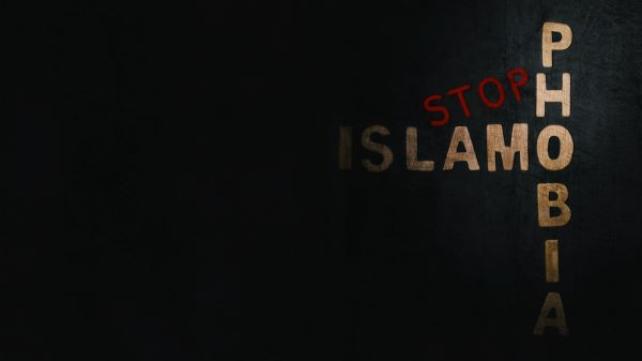
Civic engagement can be a powerful means of outreach when done well, as demonstrated by Muslim activism in countering anti-Muslim propaganda in the current political climate. Muslim politicians, scholars, community leaders, and everyday people facing hostility from right-wing politicians and Christian nationalists have shown how attempts to divide can become opportunities for meaningful dialogue. Time and again, Muslims respond to intimidation with eloquence, patience, and resilience, and the public begins to take notice. Whenever malicious groups or individuals target Islam, Muslims respond by pushing back against waves of misinformation, and that opens a path to understanding for everyone. Allah says in the Quran:
“They wish to extinguish Allah’s light with their mouths, but Allah will ˹certainly˺ perfect His light, even to the dismay of the disbelievers.” Quran (61:8)
As people of faith, we understand that our Lord has our backs; however, we must also do our part to dispel harmful stereotypes and protect our right to practice our religion freely and openly. We begin by setting a good example and engaging in civic life in ways that reflect our talents. This might include political participation, advocacy, and education; using art to express our experiences; writing to challenge misconceptions; or sharing content on social media to raise awareness about Islam and Muslims. Whatever the effort, it can be a family endeavor. When our children see how we respond to Islamophobia and anti-Muslim rhetoric, they learn to stand up for themselves, their families, and their communities.
Putting Civic Engagement into Practice
Recently, I have had to fight a personal battle against an active anti-Muslim campaign in my home country, Puerto Rico. What began with one or two bizarre social media posts protesting the construction of a new mosque in Mayagüez grew into a full-blown propaganda war against everything associated with Islam and Muslims. While this may sound familiar to those of us living in the United States, amid today’s political tensions, it feels completely out of character coming from the people of Puerto Rico, who are known for their hospitality and solidarity with the Palestinian cause. Because most of my family still lives there and they are not Muslim, these attacks hit particularly close to home, literally and figuratively.
Muslim connections to Puerto Rico reach back to Spanish colonization and the arrival of enslaved Africans, some of whom were Muslim. Most islanders recognize their mixed Indigenous, European, and African heritage, although they may be less familiar with the Islamic influences on Puerto Rican culture. Later migrations, from the nineteenth century to the present, brought Muslims from various parts of the world. Over time, Arab Muslims and Christians have established successful businesses and become part of the island’s community life. Muslim residents have founded Islamic centers, including the first freestanding masjid in Puerto Rico, built in 1981 in Río Piedras. So, who and what is driving the current anti-Muslim propaganda?
There appears to be no single explanation for the recent wave of anti-Muslim hostility in Puerto Rico. Political rhetoric, social media misinformation, and rumors of a supposed Muslim “invasion” can fuel fear among people unfamiliar with Islam. Muslims make up only about 0.1% of Puerto Rico’s population, and our communities may not be visible to many islanders. Those who live outside the municipalities with mosques may not even know these places of worship exist.
From my perspective, the enmity against Muslims also needs to be understood in the broader context of political and economic anxiety. Concerns about displacement, access to public beaches, rising housing costs, failing infrastructure, and the privatization of public services leave many Puerto Ricans frustrated and uncertain about their future. These conditions can make scapegoating especially effective. Still, determining who is encouraging anti-Muslim sentiment and whether anyone is financing it for political or economic gain requires further investigation. Whatever the underlying causes, the continuous stream of anti-Muslim social media posts prompted me to respond with accurate information however I could.
I decided to approach civic engagement through education, using Instagram and Facebook. I already use both platforms to promote my writing and books, but each helps me reach a different audience. On Instagram, I can connect with more people outside my circle, while Facebook allows me to communicate with my extended family in Puerto Rico. I began creating reels in Spanish, including humorous skits pointing out inaccuracies in the ongoing misinformation campaign. Other videos focused on educating Puerto Ricans about Islamic beliefs and practices, as well as the historical presence of Muslims in Puerto Rico. I also shared articles and information about Islam and Muslims through stories and posts. My content has garnered thousands of replays in just a few days, with many viewers responding positively in the comments.
Many Ways to Show Up
I share my experience to remind other parents and educators that there are many ways to combat Islamophobia and misinformation. We all possess talents and skills that can help us connect with different people. As a Spanish-speaking Latina convert, I can reach people who share my culture, language, or background. Others bring artistic ability, technical knowledge, public speaking skills, or a gift for creative storytelling. Each of these talents can help us challenge misconceptions and build understanding. Consider what your family enjoys doing and what each person does well, and how those abilities might serve your community.
I have heard the expression, “Show up and show out,” meaning get involved and be bold. Think outside the box, and invite your family to take part, too. Some ideas for parents and older children include:
- Writing letters to elected officials or news outlets to share experiences and raise awareness about discrimination.
- Creating art that expresses concerns about hateful political rhetoric or hopes for their communities.
- Sharing stories about living as a Muslim in these current times with their non-Muslim peers.
- Working with a group on a community project, such as a neighborhood cleanup or a collection drive.
- Using photography, poetry, or short videos to highlight Muslim contributions. These can be shared on social media to reach a wider audience.
- Helping a library or school organize a book display or discussion that introduces readers to Muslim voices.
Parents and educators can guide children toward approaches that suit their interests and abilities. Children can also team up with older siblings or friends to work toward a common cause. These activities give us opportunities to develop ideas and turn frustration into purposeful action.
It is heartbreaking to know that our children may face discrimination, but helping them prepare can strengthen their confidence and sense of empowerment. They can learn that their voices matter and that they have something valuable to contribute to the places they call home. Civic engagement becomes an opportunity for dawah when we all use our abilities to uphold justice, share accurate information, and serve our neighbors. If we keep showing up together as a family and as a community, we will do our part to create positive change, insha’Allah.
Bio:
Wendy Díaz is a Puerto Rican Muslim writer, poet, educator, and mother of six. She is the co-founder of Hablamos Islam, a non-profit organization that produces educational resources about Islam in Spanish (hablamosislam.org). She has written, illustrated, and published over a dozen children’s books and currently lives with her family in Maryland. Follow Wendy Díaz on social media @authorwendydiaz and @hablamosislam.


Add new comment