
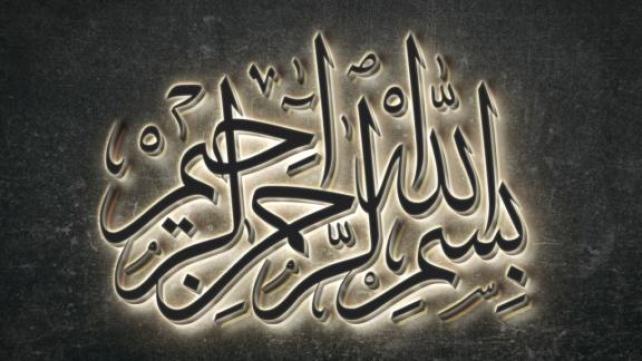
SUMMARY: Reflecting on Allah's Most Oft-Repeated Names, Al-Rahman (the Lord of Mercy) and Al-Raheem (the Most Merciful)
The blessed month of Ramadan is a month of returning—returning to the Quran, to worship, and most importantly to a deeper understanding of Allah the Most High. Fundamental to that understanding are two of His most repeated and beloved Names: Ar-Rahman and Ar-Raheem. Nearly every surah of the Quran begins with Bismillah ir-Rahman ir-Raheem: Allah the Most High, introduces Himself first and foremost through mercy. Allah says, “My mercy encompasses all things” (Qur’an, 7:156), a verse that reflects the all-encompassing mercy of Ar-Rahman—the One whose mercy surrounds every part of creation, believers and nonbelievers alike. This mercy is evident in the blessings we often overlook: life, provision, family, guidance, and the alternation of night and day. It is a mercy that existed before we ever turned toward Him and continues regardless of our shortcomings.
Ar-Raheem speaks to a more specific and continuous mercy. Allah says, “And He is Ever Merciful to the believers” (Qur’an, 33:43). This is the mercy that grants repentance forgiveness and multiplies even the smallest deeds. The Prophet Muhammad, may Allah give him peace and blessings, conveyed Allah’s promise in a hadith qudsi: “O son of Adam, as long as you call upon Me and hope in Me, I will forgive you for what you have done, and I will not mind” (Tirmidhi).
In another narration, the Prophet Muhammad, may Allah give him peace and blessings, said, “Allah is more merciful to His servants than a mother is to her child” (Bukhari and Muslim).
These hadiths show that Allah’s mercy is not something we must earn before approaching Him; rather, it is His mercy that invites us to approach Him in the first place.
Ramadan is the month wherein which these Names are mostly vividly experienced. It is the month in which the Qur’an was revealed (Qur’an, 2:185), the month in which the gates of Paradise are opened and the gates of Hell are closed (Bukhari and Muslim), and the month in which deeds are multiplied. The Prophet Muhammad, may Allah give him peace and blessings, said, “Whoever fasts Ramadan out of faith and seeking reward will have his previous sins forgiven” (Bukhari and Muslim). We are humbled by hunger, softened by prayers, and reminded in our nightly supplication that Allah is always Near. We fast not to punish ourselves, but to cultivate taqwa, as Allah says, “O you who believe, fasting has been prescribed for you… that you may become conscious” (Quran, 2:183). Our worship in this month is fueled not only by fear of accountability, but by hope in a Lord whose mercy exceeds His wrath.
For families, especially children, these Names become real through lived experience. Children understand mercy instinctively—they recognize it in patience, forgiveness, and gentleness. The Prophet Muhammad, may Allah give him peace and blessings, said, “The merciful are shown mercy by the Most Merciful. Show mercy to those on the earth, and the One above the heavens will show mercy to you” (Tirmidhi). Allah commands, “Call upon Allah or call upon Ar-Rahman; whichever you call—His are the Most Beautiful Names” (Quran, 17:110). Making dua aloud using these Names plants seeds of certainty in young hearts and teaches that turning back to Allah is always possible.
To honor Ar-Rahman and Ar-Raheem is to strive to reflect mercy in our own character. The Prophet Muhammad, may Allah give him peace and blessing, was the most merciful of creation: Allah Most High described him as “a mercy to the worlds” (Quran, 21:107). In Ramadan, as we seek forgiveness and extend kindness, we model for the next generation that Islam is not merely a set of rules, but a relationship with a Lord whose compassion precedes His judgment. Ar-Rahman reminds us that Allah’s mercy surrounds us even when we forget Him, and Ar-Raheem assures us that when we remember Him again, He receives us with forgiveness and love. May this Ramadan deepen our understanding of these Beautiful Names, soften our hearts toward one another, and raise generations who know Allah first and foremost as The Most Merciful.
Related:
Beautiful Names in the Blessed Month: Al-Lateef Al-Salaam





Add new comment