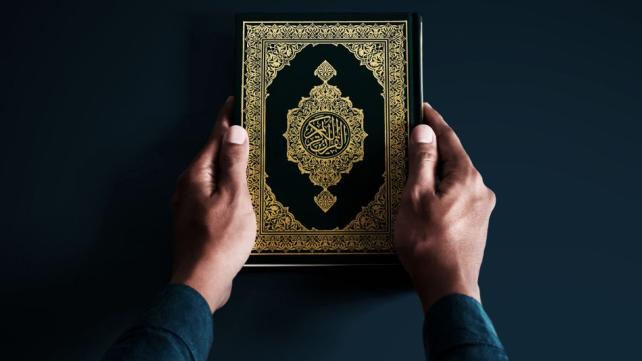
"Say: O Ibadi (My slaves) who have transgressed against themselves (by committing evil deeds and sins)! Despair not of the Mercy of Allah, verily Allah forgives all sins. Truly, He is Oft-Forgiving, Most Merciful" (Quran 39:53). The above mentioned verse of Holy Quran besr explains the seeking forgiveness in Islam.
When was the last time you cried? Not a few drops of salty water from your eyes, or the odd tear that slipped down your face while watching a tragic event. I'm talking about warm tears of the heart.
This article is not about the glory of Islamic Medicine made under the light if Quran and Sunnah, of past 1000 years which produced great physicians like al Razi and Ibn Sina. This article is also not about virtues of honey, the center point of discussion in most of the articles written these days on Islamic Medicine.
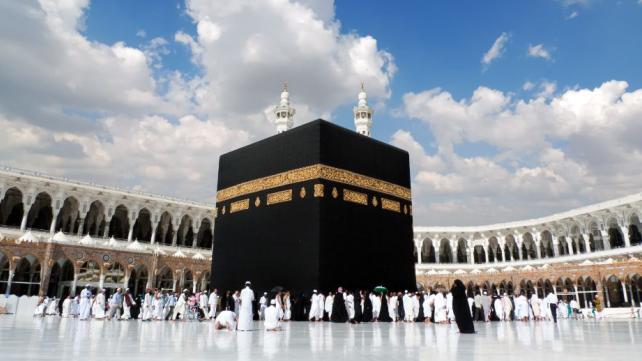
Hajj is the fifth pillar of Islam, and is required of every Muslim who is both physically and financially able to complete it. But there are many questions regarding the pilgrimage, some of which we hope to answer here.
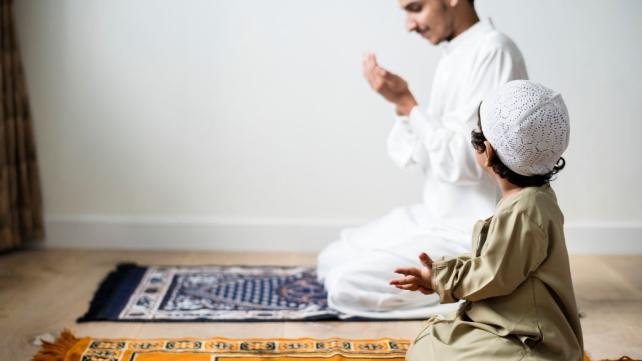
SUMMARY: Hajj is an excellent opportunity for Hajj Dua, a time when we are visitors to God’s house, when we are not distracted by our day to day lives. Here are a few suggested Duas we can make during the journey of a lifetime. Along with duas for yourself and the family include the ummah, your neighbors and humanity.
Prophet Mohammed said: "There aren't any days greater, nor any days in which deeds done in them are more beloved to Allah Most High, than these ten days." Here is a sample schedule of activities and Zil Hajj Dua you can do together in these Zil Hajj's blessed days.