
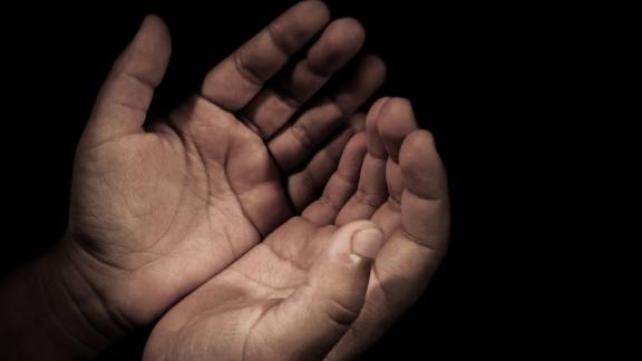
SUMMARY: How a Muslim can strengthen and intensify their supplications in the month of Ramadan
Ramadan is a time to elevate our worship, recharge our faith batteries, and cultivate solid habits with our families that can last long after the month ends. Across our communities, there is a visible transformation this month, with worshippers filling the masajid for daily prayers, gathering for iftar, and standing shoulder to shoulder in tarawih. Even when living in a majority non-Muslim society, there is a distinct sense of solidarity. Knowing that millions around the world are fasting alongside us strengthens our resolve to increase our acts of worship, good deeds, and outreach. However, alongside this spiritual upliftment, many of us are carrying heavy hearts, burdened by the evils happening all over the world.
The trials and tribulations unfolding across the globe and in our own backyard, coupled with ongoing Islamophobic hostility directed at our communities, can leave us feeling mentally and emotionally drained. The constant stream of negative news is demoralizing and, at times, threatens to overwhelm our sense of hope. Fortunately, the month of Ramadan offers more than an opportunity to fast and offer extra prayers. It invites us to turn to Allah in supplication, not only for ourselves, but for the oppressed, the vulnerable, and everyone who is struggling. When we do so frequently and visibly, we are also encouraging our youth to do the same.
It is normal to feel so overwhelmed with worry, hopelessness, or grief that we forget to invoke Allah to ask for relief. Perhaps this is why the Prophet Muhammad, peace and blessings be upon him, taught us an important dua to make after every prayer. Abu Huraira reported that he said:
“Do you wish to strive in supplication? Say: O Allah, help me to be grateful to You, to remember You, and to worship You in the best manner.” (Musnad Ahmad 7982)
This prophetic advice reminds us that even our ability to worship well depends on Allah’s help. Before we ask for victory, relief, or ease, we ask for the ability to remember and worship Him properly as our foundation. From there, we understand that supplication carries tremendous weight, especially in times of hardship and in blessed times like Ramadan.
The following narrations are a reminder of just how powerful dua can be:
1. Dua and patience in it are among the best acts of worship.
Abdullah Ibn Mas’ud, may Allah be pleased with him, reported that the Prophet Muhammad, may Allah give him peace and blessings, said:
“Ask Allah for His favor as Allah Almighty loves to be asked. Among the best acts of worship is to patiently wait in expectation of relief.” (Sunan al-Tirmidhi 3571)
This hadith teaches us two essential lessons: to ask persistently and to wait with fortitude. Relief may not come immediately, but the act of turning to Allah with hope is itself an act of worship.
2. Allah promises to answer duas:
Ubadah ibn Samit reported that the Prophet, may Allah give him peace and blessings, said:
“There is no Muslim on earth who calls upon Allah in supplication but that Allah will grant it to him or divert some evil away from him, so long as he does not ask for something sinful or to cut off family ties.”
A man said, “In that case, we will ask for more.”
The Prophet, may Allah give him peace and blessings, said, “Allah has even more.” (Sunan al-Tirmidhi 3573)
This Ramadan and always, let us be like the man who said, “We will ask for more!” Allah is the Creator and Sustainer of the heavens and the Earth. Nothing that we ask for is too much for Him.
3. The dua of a fasting person:
Abdullah ibn Amr reported that the Prophet, may Allah give him peace and blessings, said:
“Surely, the supplication of a fasting person is not turned away at the time of breaking fast.”
Abdullah would say when breaking fast, “O Allah, I ask You by Your mercy, which encompasses all things, to forgive me.” (Sunan Ibn Majah 1753)
Thus, after hearing that the supplication of a fasting person is not turned away when breaking his/her fast, Abdullah made it a habit to always make dua for forgiveness whenever he broke his fast. May Allah allow us to make this our habit, as well. Ameen!
4. Duas that are always accepted:
In another narration, the Prophet, may Allah give him peace and blessings, said:
“The supplications of three are never turned back: a fasting person until he breaks his fast, a just leader, and the supplication of the oppressed is raised above the clouds by Allah, the gates of heaven open for it, and the Lord says: By My might, I will surely help you in due time.”
(Sunan Tirmidhi 3598)
Notice how Ramadan places many of us in the first category daily. At the same time, this hadith reminds us of our responsibility toward the oppressed. Their duas ascend directly, without obstruction, to the One who promises justice in His perfect timing.
5. Supplications that are answered without doubt:
Abu Huraira narrated a similar hadith in which the Prophet, may Allah give him peace and blessings, said:
“Three supplications are answered without a doubt: the supplication of an oppressed person, the supplication of a traveler, and the supplication of a parent over his child.” (Sunan Tirmidhi 1905)
For those of us who are parents, this narration is especially significant. The supplications we make for our children have tremendous influence. Ramadan becomes an ideal time to intentionally make heartfelt dua for their faith, protection, resilience, and future.
6. The dua of the oppressed has no barriers:
Abdullah ibn Abbas reported that the Prophet, may Allah give him peace and blessings, said:
“Beware the supplication of the oppressed, for there is no veil between it and Allah.”
(Sahih Bukhari 2448, Sahih Muslim 19)
In a world filled with so much injustice, it gives us hope to know the cries of the wronged are not going unnoticed. Ramadan is a time to align ourselves with those voices by joining them in their worship, remembering them in our prayers, and ensuring we are never among those who cause harm.
7. Duas for others offer a bonus:
The Prophet, may Allah give him peace and blessings be upon him, said:
“No Muslim servant supplicates for his brother behind his back but that the angel says, ‘And for you the same.’” (Sahih Muslim 2732)
Regarding this hadith, Imam Muhammad bin Muhammad Ghazali commented:
“Among the manners of fellowship is to supplicate on behalf of one’s brother, in his life and after his death, for everything he likes for himself and his household and everything concerning him. He should supplicate for him as he would for himself, there being no difference between them. Indeed, your supplication for him is a supplication for you, in reality.” (Ihya Ulum al-Din, 2/186)
Every time we raise our hands for someone else, whether it be the sick, the grieving, the displaced, or the struggling, we invite that same mercy upon ourselves. Likewise, teaching our children and families to make dua for others nurtures empathy and reminds them that faith is meant to be lived in community.
Despite our feelings of despair, we must continuously remind ourselves that Allah is always there for us. I once read that if we want to speak to Allah, we should pray. However, if we want Allah to speak with us, then we should read the Quran. Ramadan is the perfect time to do both. Praying means not only performing our obligatory prayers, sunnah, and extra voluntary prayers; it is also raising our hands in supplication. The intimate conversation that we have with our Creator during our duas this Ramadan is one of the most calming things we can do for our souls. May Allah accept your duas this month and always. Ameen!


Add new comment