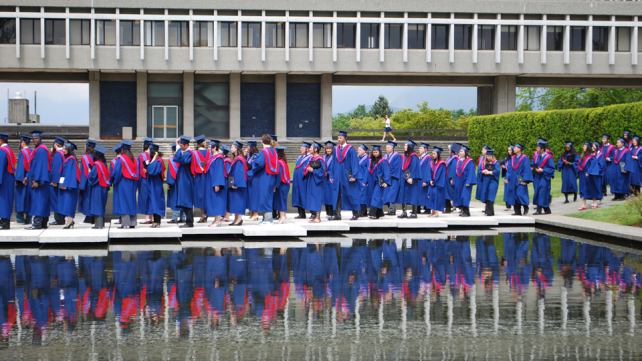

This is an open letter to university graduates who are Muslim advising them to remember the responsibility they have toward the knowledge they have acquired over the time they have been in school, from an Islamic perspective.
This paper, presented by Br. Malik Shaw at the ISNA Education Forum in March 2005, focuses on how Muslim students can learn the value of service through Islamic schools and learning the Islamic teachings that call on Muslinms to serve humanity.
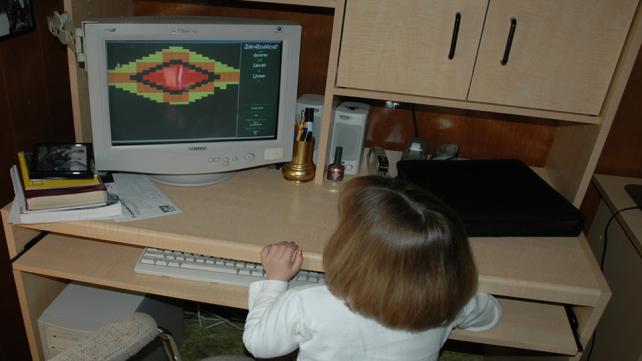
Whether you teach English, Arabic, Geography or Math, you can integrate computer activities into any subject. Students build computer skills while they learn the content and, most importantly, they enjoy the process. Computer activities mesh easily into language learning and provide numerous benefits.
Hajj is one occasion where Muslims have an opportunity to share Islam. There are a couple of tips to consider when approaching the school about presenting, as well as for how you present the information to the child's class.
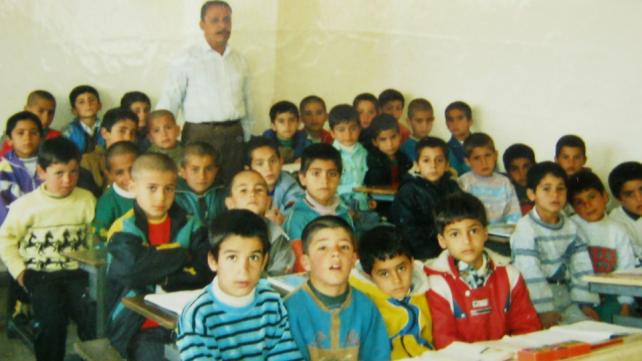
Ninety-nine percent of Muslim children in the United States attend public schools, and the debate about which is better to raise the next generation of believers, Muslim or public school, continues with every new generation. Here are some pros and cons of both.
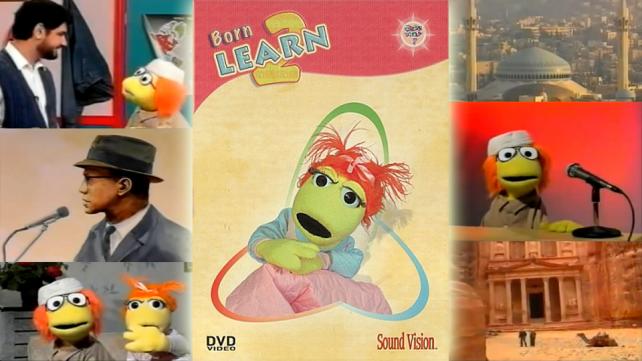
This is a video review of "Adam's World 7: Born to Learn", which focuses on the importance of knowledge, learning, and education for Muslims. Through stories, songs, skits and its hallmark of hilarity, Adam learns this and more, including a trip to Jordan thanks to the trusty transvisualizer.
This seven-step guide by the Council on Islamic Education in California offers Muslim students a practical and effective way to challenge misinformation about Islam that may show up in textbooks or during class presentations and discussions.