
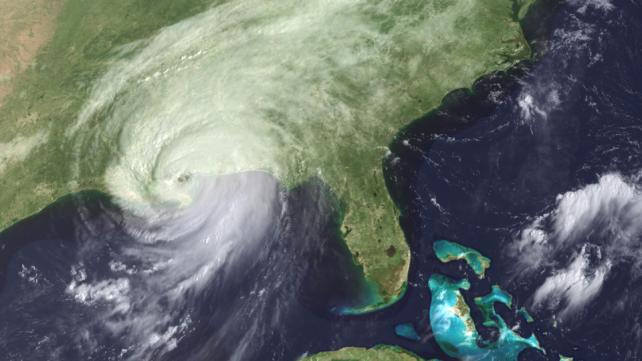
The focus on the aftermath of Hurricane Katrina must remain on its survivors as well as the ongoing marathon of hurricanes, which have doubled in 35 years. However, we cannot but wonder why Muslims have not given enough attention to bring in the limelight the tremendous outpouring of sympathy and financial resources for Katrina's victims.




Our Programs
It airs on Galaxy 19 Satellite, Amazon FireTV, Roku, Apple TV and social media. The network emerged from the daily show Radio Islam, which aired on WCEV 1450 AM in Chicago for 20 years.

MuslimFest is an award winning one to three-day arts festival which has been taking place for the last 17 years in seven cities across North America attracting 500 to 60,000 people.

Adam's World is a series of videos featuring two Muslim puppets, Adam and his sister Aneesah. Adam's World has been a source of creative Islamic education for thousands of young Muslims growing up in North America and Europe.